

Grove Therapies
Children, Adolescents, Toddlers, Infants, Adult & Family Support
Child Life Therapy, Dynamic Body Balancing, Child Life Preparation Session, Sports Focused Mindset & Nervous System Regulation, Child Life Therapy Family Support, Pediatric Hypnosis Session, Child Life Group Work, Child Life Consultation
Professional Therapeutic Services

50-minute sessions tailored to family’s needs.
Individualized sessions supporting families through various stressors and overwhelming circumstances. Caregivers are part of the process if disclosure of new information is part of the session. Creative interventions support processing new information, making sense of stress responses, and building resilience and practical coping skills. Interventions are chosen and adapted based on developmental level, interests, experiences and treatment goals.
Education is integrated throughout treatment. Age‑appropriate explanations about the brain, stress, trauma and how the body responds supports understanding reactions and feel empowered. When relevant, developmentally appropriate preparation and explanation for diagnoses and medical procedures is utilized to reduce fear and increase understanding.
Examples of Support: Grief and loss, Medical diagnoses, treatment and procedures, medical fears and phobias, acute and chronic trauma, family changes, including divorce, natural disasters and community trauma and other stressful life events.
What to expect:
Discussion with caregivers prior to working as a family
Individualized creative interventions focused on specific need
Interventions may be multi session dependent or change from session to session
Each intervention ends with coping skill to utilize during life events and environments and to practice at home
Potential Benefits:
Disclosure, if needed, is done in a developmentally appropriate manner with appropriate language provided by clinician
Increased coping and utilization of coping skills in various environments and situations
Brain body connection and understanding
Developmentally appropriate understanding of trauma, grief, and overwhelming events
Validation and normalization of feelings
Increase in emotional vocabulary
Processing traumas and finding meaning
Legacy building
Utilization of knowledge and coping skills
Mindful skills and self‑regulation strategies are taught and practiced in session to support coping with day‑to‑day challenges and larger stressors. Progress is reviewed regularly so treatment stays focused, measurable and responsive to each child’s evolving needs.
Child life therapy is strongly advocated for by the American Academy of Pediatrics (AAP) as an essential component of pediatric support and as the standard of care to reduce anxiety and pain through developmentally supportive ways.
Disclaimer: Child life services are designed to support the emotional, developmental, and coping needs of children and families facing medical experiences, illness, hospitalization, or grief — they are not a form of medical treatment or clinical mental health therapy. If your child is experiencing a medical or mental health emergency, please contact 911, your child's physician, or an appropriate emergency service immediately. The information provided on this website is for general educational and informational purposes only and reflects the perspective of a certified child life specialist. It is not intended as medical, psychological, psychiatric, or therapeutic advice, diagnosis, or treatment, and should not be used as a substitute for consultation with a licensed physician, therapist, or other qualified healthcare provider. Every child and family is unique; outcomes and appropriate approaches may vary and should be discussed individually.
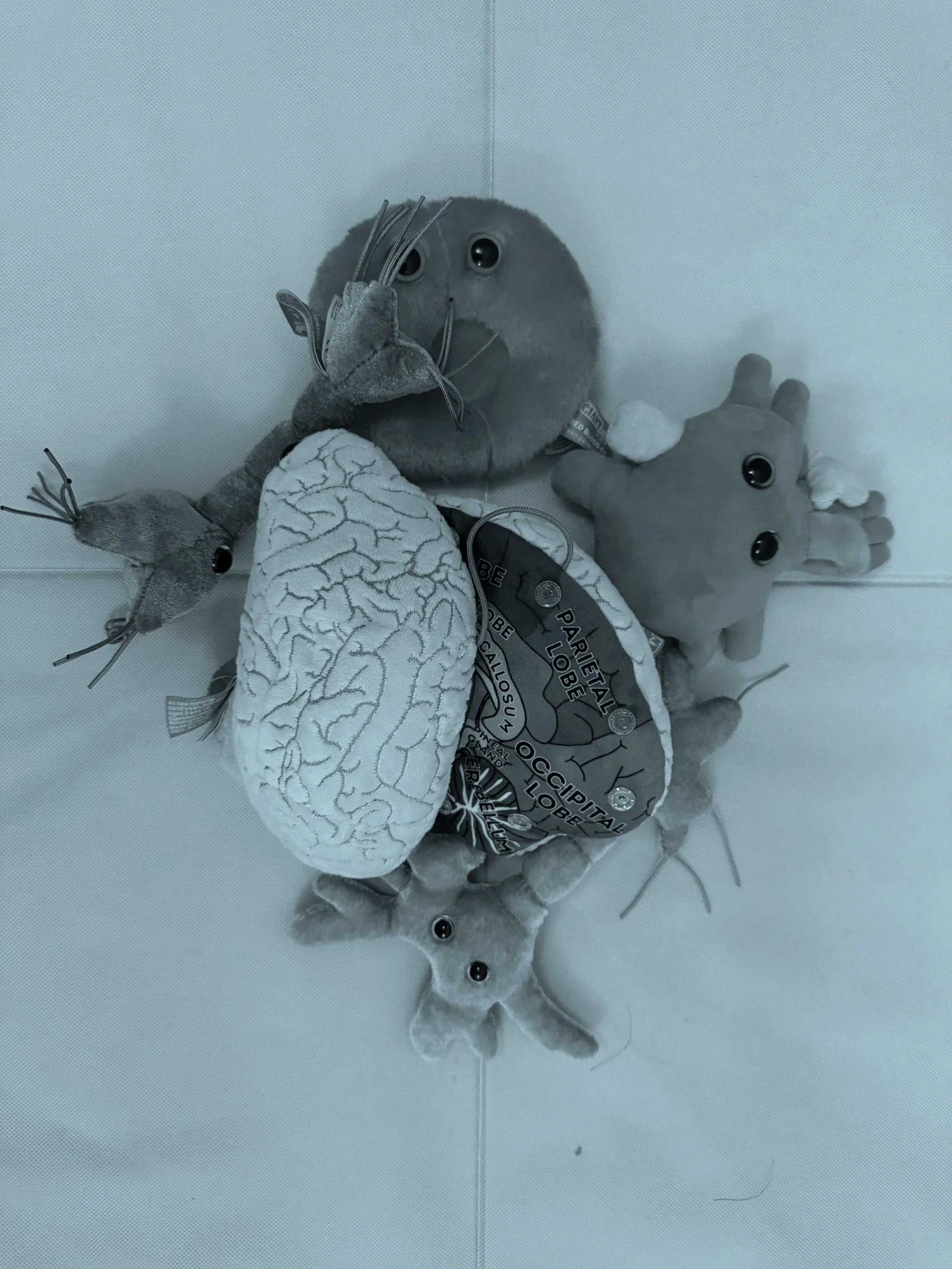
Price and length of consultation dependent on size of clinic, staff or hospital. Child life consulting provides individuals, patients and families with the support needed to create an essential level of support children, adolescents and families need for a trusting staff and medical environment. Child life consulting provides opportunity for staff education for developmentally appropriate pain management, language, preparation for procedures and supportive environment.
What to expect:
educational sessions for staff to increase trusting interactions with patients, clients and families
preparation materials
tips for pain and stress management
tools for distraction
continuous consultation for ongoing support and challenging cases
Potential benefits
Increase in supportive environment
Decrease in pain
Supportive staff
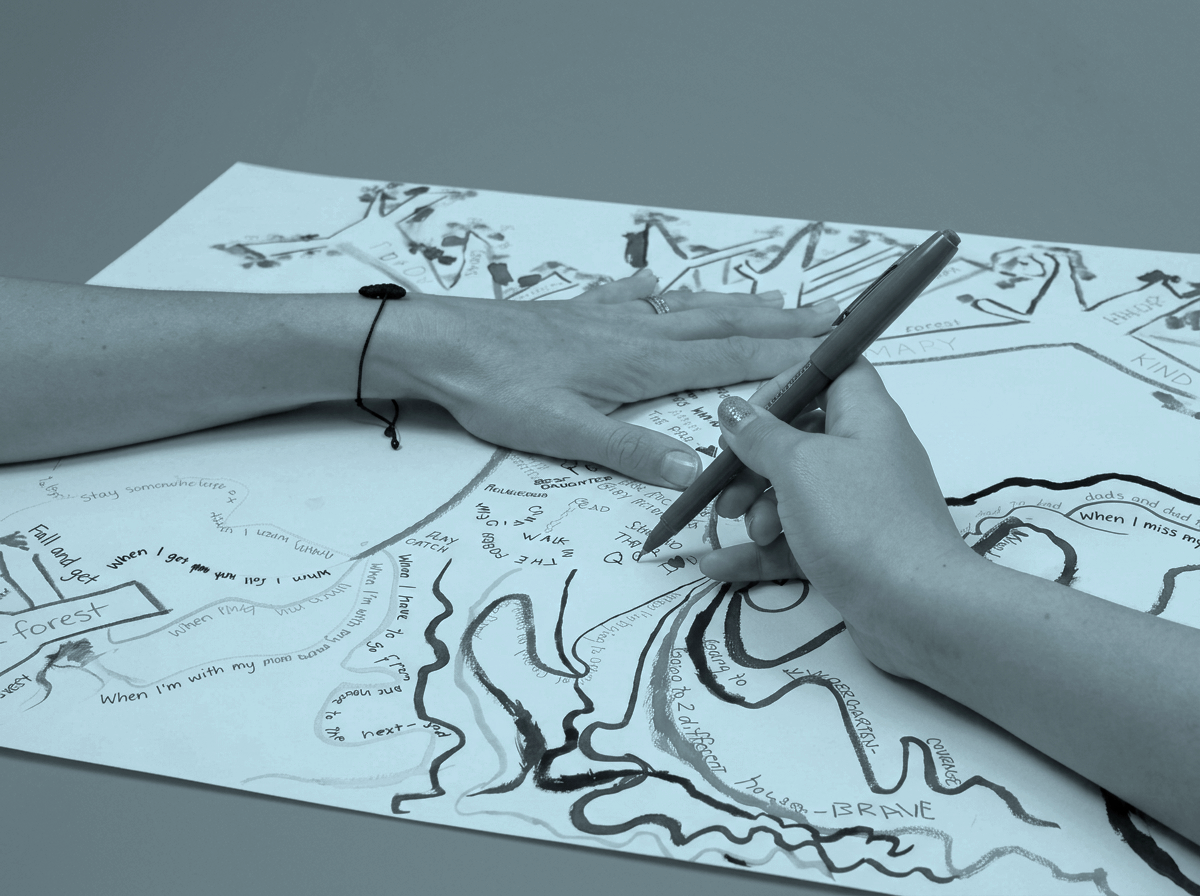
50-minute sessions tailored to individual child and adolescent’s needs.
Each session may begin with nervous system regulation to release tension and support a calm, regulated state. From there, individualized creative interventions support processing overwhelming experiences, making sense of stress responses, and building resilience and practical coping skills. Interventions are chosen and adapted based on developmental level, interests, experiences and treatment goals.
Education is integrated throughout treatment. Age‑appropriate explanations about the brain, stress, trauma and how the body responds supports understanding reactions and feel empowered. When relevant, developmentally appropriate preparation and explanation for diagnoses and medical procedures is utilized to reduce fear and increase understanding.
Examples of Support: Grief and loss, Medical diagnoses, treatment and procedures, medical fears and phobias, acute and chronic trauma, family changes, including divorce, natural disasters and community trauma, school-related stress, peer challenges, and academic anxieties and other stressful life events.
What to expect:
Session can begin deregulation of the nervous system
Individualized creative interventions focused on specific need
Interventions may be multi session dependent or change from session to session
Each intervention ends with coping skill to utilize during life events and environments and to practice at home
Potential Benefits:
Increased coping and utilization of coping skills in various environments and situations
Brain body connection and understanding
Developmentally appropriate understanding of trauma, grief, and diagnosis
Validation and normalization of feelings
Increase in emotional vocabulary
Process traumas and finding meaning
Legacy building
Utilization of knowledge and coping skills while in phobia environments and events
Mindful skills and self‑regulation strategies are taught and practiced in session to support coping with day‑to‑day challenges and larger stressors. Progress is reviewed regularly so treatment stays focused, measurable and responsive to each child’s evolving needs.
Child life therapy is strongly advocated for by the American Academy of Pediatrics (AAP) as an essential component of pediatric support and as the standard of care to reduce anxiety and pain through developmentally supportive ways.
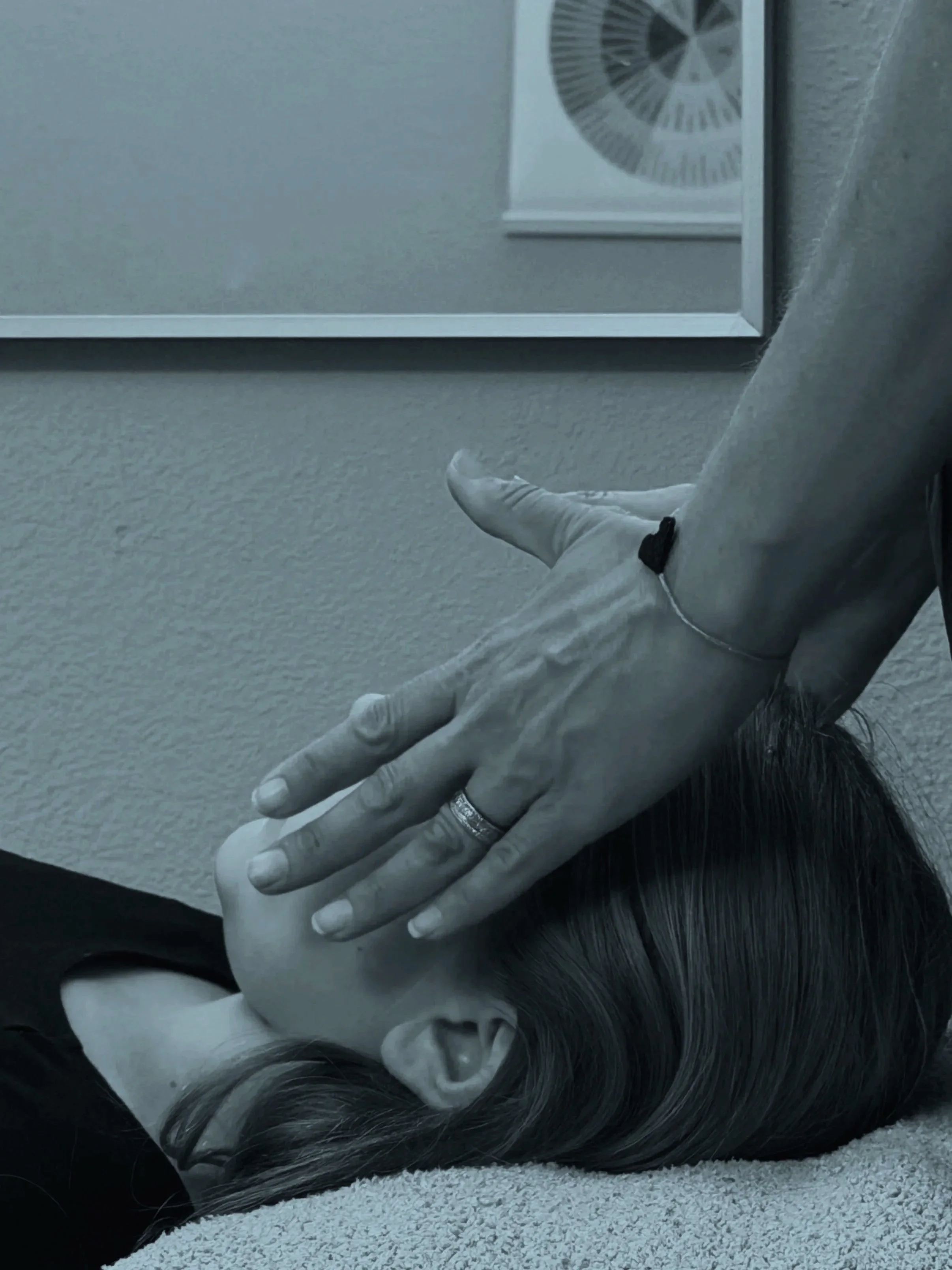
20‑30 minute individualized Dynamic Body Balancing (DBB) sessions for infancy, toddlers, preschool, school age, adolescent, pregnancy and postpartum support and adults
Dynamic Body Balancing (DBB) uses gentle, focused movements to unwind tension in the body and fascia, and balances the system. DBB also releases emotions stored in the body. Tension, trauma, and stress can persist long after the events that caused them; DBB offers a slow, delicate approach to help the body integrate and release that held tension.
What to expect
20‑30 minute individualized sessions tailored to each child or family’s needs.
Safe, gentle touch appropriate for adults, infants, children, adolescents, pregnant and postpartum clients.
A calming, restorative experience that supports a sense of connection and integration.
Potential benefits
Reduced physical tension and improved ease of movement
Emotional regulation and release of held stress or trauma
Relief for chronic or acute pain and illness
Perceived “reset” or deep sense of change after a session
Reduced inflammation and support for recovery from athletic injuries
Preparation prior to sur post surgical recovery
Support for concussion recovery
Specialized care for pregnancy and postpartum recovery
Safety and suitability DBB is gentle and generally well suited for infants through teens and for prenatal/postpartum care. Sessions are individualized; contraindications or specific medical concerns will be discussed during intake to ensure safe, appropriate care.
Please contact to learn more about how DBB can support you or your child, or to schedule an initial consultation.
Disclaimer: Dynamic Body Balancing is designed to support the nervous system regulation and physical support— they are not a form of medical treatment. If you or your child is experiencing a medical or mental health emergency, please contact 911, you or your child's physician, or an appropriate emergency service immediately. The information provided on this website is for general educational and informational purposes only and reflects the perspective of a certified child life specialist. It is not intended as medical, psychological, psychiatric, or therapeutic advice, diagnosis, or treatment, and should not be used as a substitute for consultation with a licensed physician, therapist, or other qualified healthcare provider. Every child and family is unique; outcomes and appropriate approaches may vary and should be discussed individually.
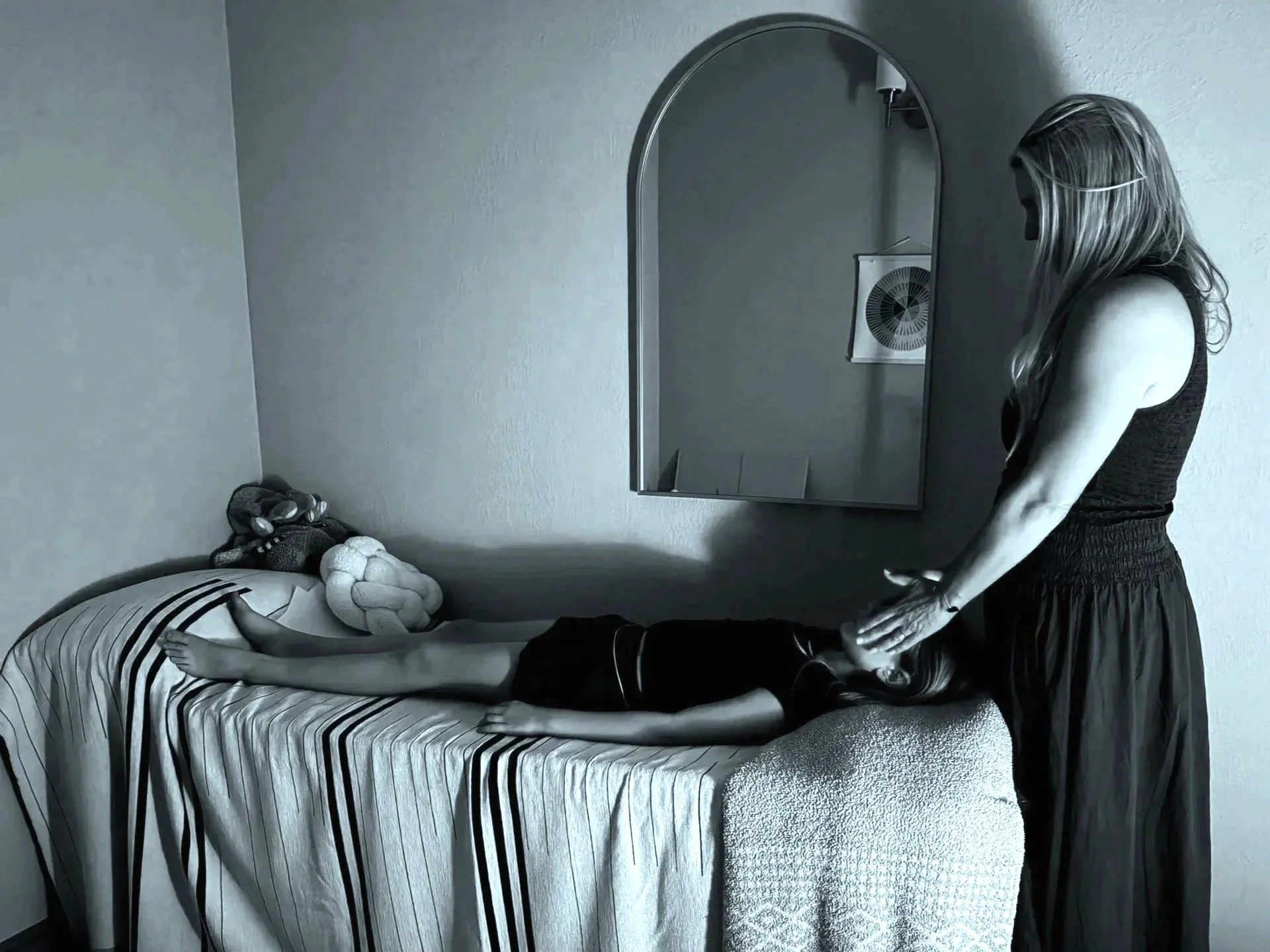
40 minute individualized pediatric hypnosis ages 4-18 utilized to support calm, healing and reduction of various stressors. Pediatric hypnosis is a gentle, evidence-based therapeutic technique that helps children access their natural ability to focus deeply and use their imagination. Far from the dramatic portrayals seen in entertainment, clinical hypnosis for children is a collaborative, child-centered process guided by a trained therapist in a safe and supportive environment.
Through guided imagery, storytelling and relaxation techniques tailored to the child’s age and interests, pediatric hypnosis can help with:
What to Expect
40 minute sessions begin with deregulation of the nervous system
They will be guided through a hypnosis session with deep breathing
Imagery utilizing their own positive experiences and images will support hypnosis
Hypnosis skills will be taught to utilize skills outside for increased coping and mindfulness
Potential Benefits
Anxiety and stress — calming worry, building confidence, and developing coping skills
Chronic pain and medical procedures — reducing discomfort and fear associated with needles, treatments, & ongoing conditions
Sleep difficulties — establishing healthy sleep patterns & easing bedtime anxiety
Habit and behavior change — addressing nail biting, thumb sucking & similar habits
Functional symptoms — supporting conditions like headaches, stomach aches & enuresis
Performance and focus — building self-confidence for school, sports & social situations
Sessions are age-appropriate and empowering. Throughout the session, full control is maintained— hypnosis supports tapping into their own inner resources. Parents are welcome to be present and kept informed throughout the therapeutic process.
Pediatric hypnosis is recognized by the American Psychological Association and the American Academy of Pediatrics as a safe and effective complementary approach when provided by a qualified clinician. Clinician is certified through the National Pediatric Hypnosis Institute.
Disclaimer: Hypnotherapy is designed to support the emotional and coping needs of children and teens— they are not a form of medical treatment or clinical mental health therapy. If your child is experiencing a medical or mental health emergency, please contact 911, your child's physician, or an appropriate emergency service immediately. The information provided on this website is for general educational and informational purposes only and reflects the perspective of a certified child life specialist. It is not intended as medical, psychological, psychiatric, or therapeutic advice, diagnosis, or treatment, and should not be used as a substitute for consultation with a licensed physician, therapist, or other qualified healthcare provider. Every child and family is unique; outcomes and appropriate approaches may vary and should be discussed individually.
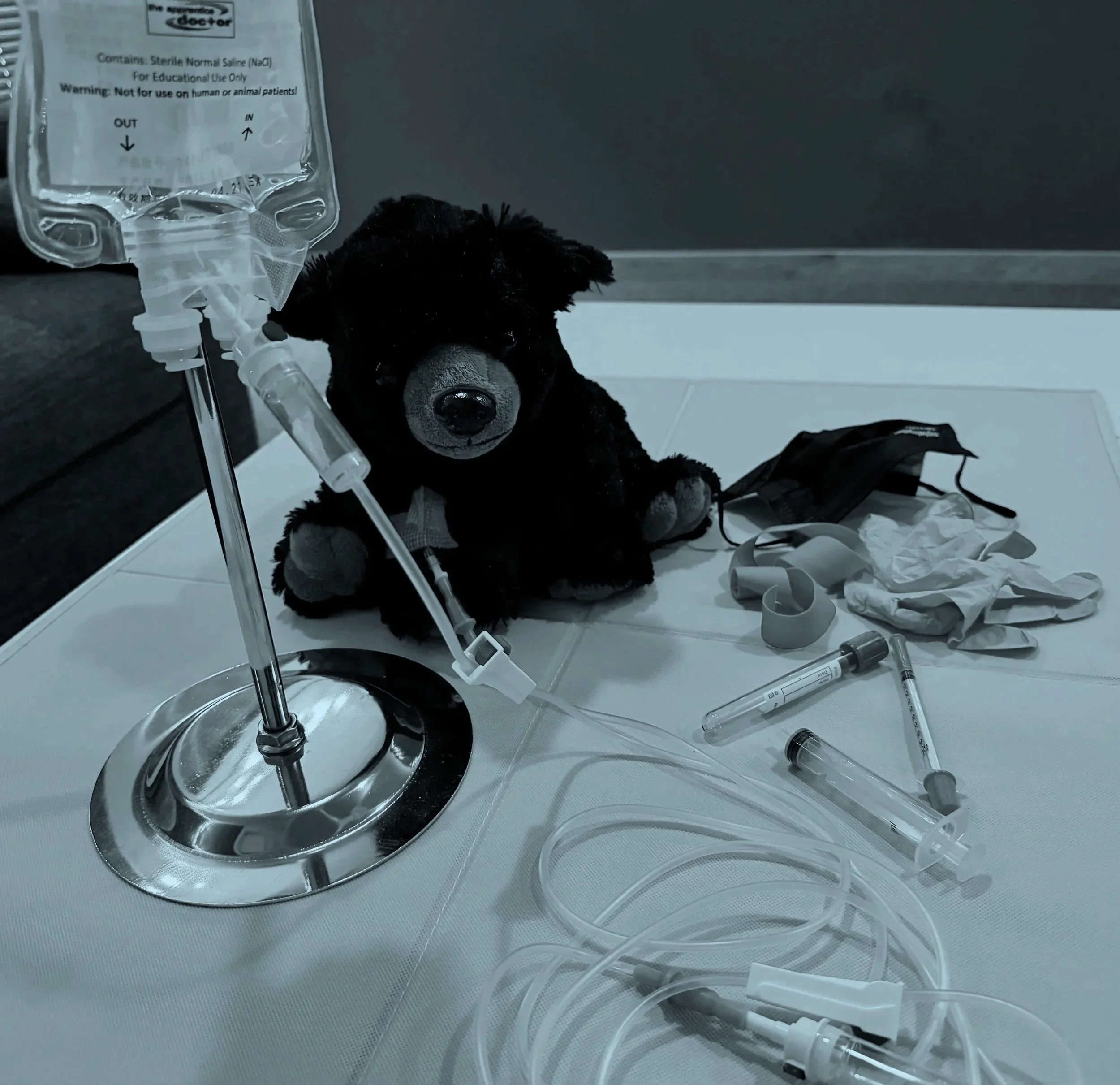
30-minute sessions age 0-18 tailored to individual child and adolescent’s needs.
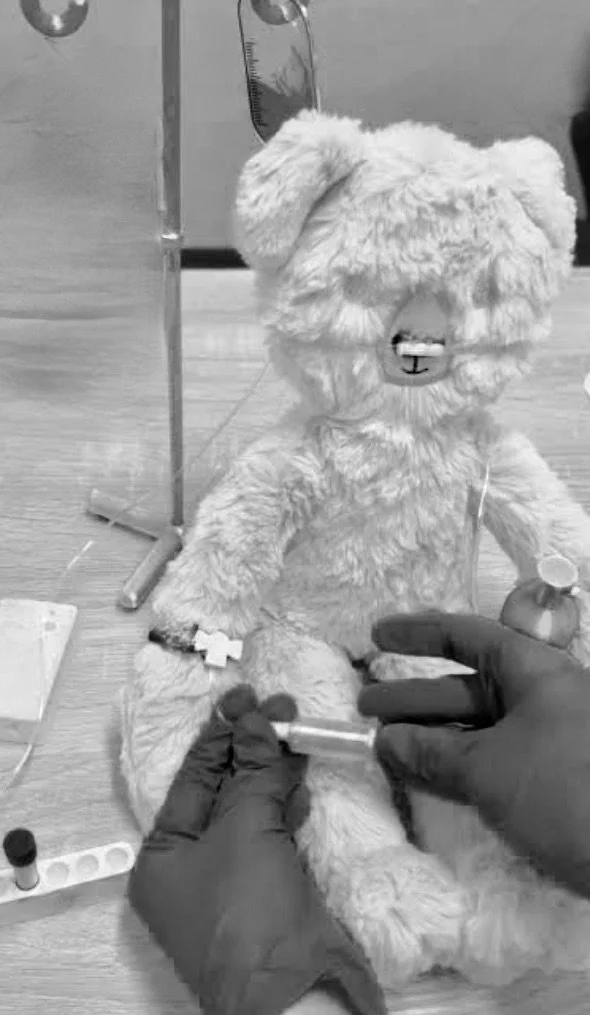
This is one-on-one individualized child life preparation for surgery and preparation. Specific surgery or procedure examples include vaccinations, blood draws, IVs, VCUGS, MRIs, various surgeries, individualized preparation. Developmental level, past medical history and experiences are considered when making support plan. Pictures, medical play, preparation book and coping plan are incorporated for future procedure.
Interventions are chosen and adapted based on developmental level, interests, experiences and treatment goals. Education, age‑appropriate explanations and practical coping skills are integrated. Developmentally appropriate preparation and explanation for medical procedures reduces fear and increases understanding
What to expect:
Individualized preparation plan with booklet
Developmentally appropriate medical play
Coping skills practiced in office to utilize at home and during procedure and pre surgery
Expansive session may be needed depended on past experiences and fears
Potential Benefits:
Avoid future medical trauma
Increased confidence and preparation for procedure, surgery and environment
Normalization of medical supplies and tools
Developmentally appropriate understanding of surgery and procedure
Validation and normalization of feelings
Utilization of knowledge and coping skills while in phobia environments and events
Increased coping and utilization of coping skills in various environments and situations
Post procedural session can be supportive of overall coping and decrease medical trauma.
Child life therapy is strongly advocated for by the American Academy of Pediatrics (AAP) as an essential component of pediatric support and as the standard of care to reduce anxiety and pain through developmentally supportive ways. Other research finds child life preparation increases predictability, understanding, and expectations supports children's and families' abilities to cope with hospitalization, and that preparing children and families for procedures reduces pre-procedural anxiety and improves post-procedural emotions.
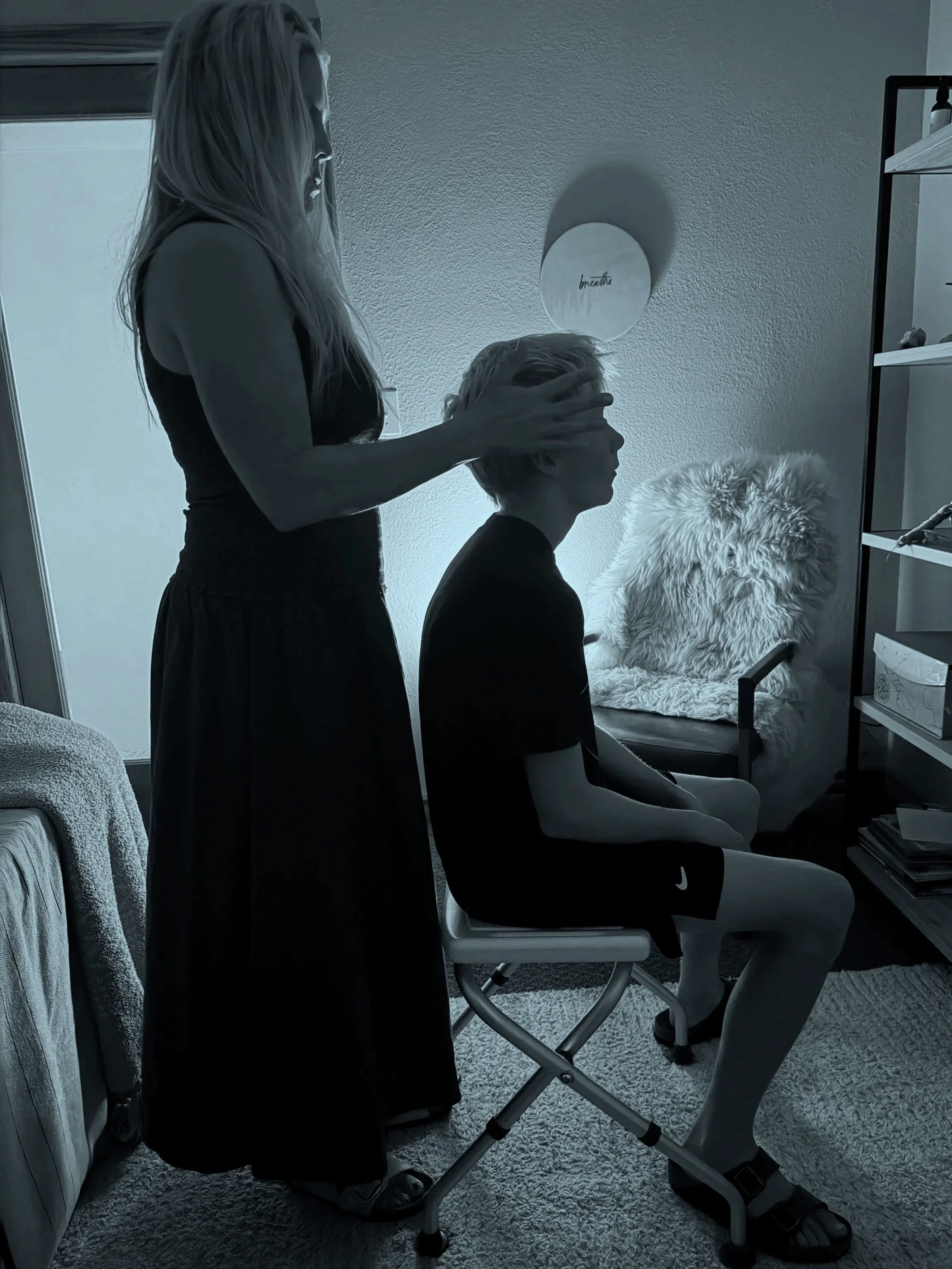
20-40 minute individual sessions focused on ages 8-20.
The goal of sessions are supporting a regulated nervous system and lower stress levels to allow for consistent performance, being present and a higher enjoyment in their sport.
Various techniques including Dynamic Body Balancing to regulate the nervous system, support healing of injuries and unwind tension stored in the body. Focus is placed on the mind and on areas of the body that are overused, often an area plagued by injuries. Support during times of growth, as well as focus during and post injuries is also considered.
Sessions also include education about stress, the brain and the body to support a deeper understanding of healing and mindset. Coping exercises are taught to support regulation of stress and allow for reset before, during and after games and competitions.
What to expect
20-50 minute sessions dependent and tailored to each individual’s need
$60-$100 dependent on needs
A calming, restorative experience that supports a regulated and integrated nervous system
Developmentally appropriate education sessions focused on understanding how the brain and body work
Tailored mindset exercises to practice and utilize
Potential benefits
Reduced physical tension and improved ease of movement
Emotional regulation and release of held stress or trauma
Relief for chronic or acute pain and illness
Perceived “reset” or deep sense of change after a session
Reduced inflammation and support for recovery from athletic injuries
Support for concussion recovery
Mindset exercises support athletes to be more present
Educating on stress, the body and the brain supports a connection of the brain body connection
Sports Focused Mindset & Nervous System Regulation a gentle hands therapy. Sessions are individualized; contraindications or specific medical concerns will be discussed during intake to ensure safe, appropriate care.
Please contact to learn more about how The Grove can support you or your child, or to schedule an initial consultation.
Disclaimer: Nervous system regulation and mindset services are designed to support the emotional, developmental, and nervous system regulation needs of children and teens — they are not a form of medical treatment or clinical mental health therapy. If your child is experiencing a medical or mental health emergency, please contact 911, your child's physician, or an appropriate emergency service immediately. The information provided on this website is for general educational and informational purposes only and reflects the perspective of a certified child life specialist. It is not intended as medical, psychological, psychiatric, or therapeutic advice, diagnosis, or treatment, and should not be used as a substitute for consultation with a licensed physician, therapist, or other qualified healthcare provider. Every child and family is unique; outcomes and appropriate approaches may vary and should be discussed individually.

45 minute sessions for bi-weekly or monthly sessions. Groups of 4 of more children or adolescents ages 5 and up. Focusing on a shared diagnosis, such as celiac and diabetes, and experiences, such as grief or trauma with similar ages. The Grove leads the group in creative interventions to encourage discussion and normalization during shared experience. The interventions support further understanding of diagnosis and experience.
Education is integrated throughout sessions. Age‑appropriate explanations about the brain, stress, trauma and how the body responds supports understanding reactions and feeling empowered.
What to expect:
Creative interventions focused on specific experiences and diagnosis
Interventions may be multi session dependent or change from session to session
Each intervention ends with coping skill to utilize during life events and environments and to practice at home
Potential Benefits:
Shared experiences allowing for connection and feelings of not being alone
Increased coping and utilization of coping skills in various environments and situations
Developmentally appropriate understanding of trauma, grief, and diagnosis
Validation and normalization of feelings
Increase in emotional vocabulary
Legacy building
Utilization of knowledge and coping skills
Mindful skills and self‑regulation strategies are taught and practiced in sessions to support coping with day‑to‑day challenges and larger stressors. Progress is reviewed regularly so treatment stays focused, measurable and responsive to each child’s evolving needs.
Child life therapy is strongly advocated for by the American Academy of Pediatrics (AAP) as an essential component of pediatric support and as the standard of care to reduce anxiety and pain through developmentally supportive ways.
Testimonials
-
![]()
10 year old
Suzanna Paisley was such a breath of fresh air to work with. She’s incredibly down to earth and calm. She helped my 10 yr old daughter process big feelings stemming from the loss of our home due to a wildfire and an unplanned move to CO.
Suzanna was kind, truthful, and communicated with my daughter in an age appropriate manner. She provided great tools to help my daughter identify, process and manage her feelings - and it was heartwarming to see my daughter share some of these insights with her younger brother. I wholeheartedly recommend Suzanna and would not hesitate to reach out to her again if the need arises for our family. -
![]()
9 year old
I can’t thank Suzanna enough for the incredible support she gave my daughter before her blood work. My little one was anxious and scared, but Suzanna took the time to explain everything in a way she could understand, using toys and gentle conversation to ease her nerves. She created a calm, reassuring environment and helped turn a scary moment into something manageable. Because of her, my daughter walked away feeling brave—and even a little proud of herself. I am so grateful for her kindness, patience, and expertise.
-
![]()
5 year old
Suzanna's compassion for children is matched only by her expertise as a child life professional. With careful consideration for our priorities and needs as parents, she supported our 5 year old daughter through a medical procedure with creativity and empathy. She is was thoughtful, flexible, and responded to exactly what our child needed and was ready for. We're beyond grateful for her work! I can't recommend her highly enough.
-
![]()
14 year old
When my teenage daughter Sheridan was getting ready for a tough knee surgery, she was really anxious—worried about all the unknowns like what the surgery would feel like, or what it would be like to have an IV put in. It was a lot for her to process. That’s when we called Suzanna, and honestly, she was incredible.
Suzanna has this amazing way of connecting with kids. She made Sheridan feel completely seen and heard, and her calm, steady presence helped ease so much of the fear. After their session, we got in the car and Sheridan just said, “Suzanna is really good at what she does!” I couldn’t agree more.
What really stood out was that even after the surgery, Sheridan kept asking when she could go back and see Suzanna. She wanted her to be part of the recovery too. That says everything.
We’re so grateful for the care, warmth, and support Suzanna gave us. She made a huge difference.
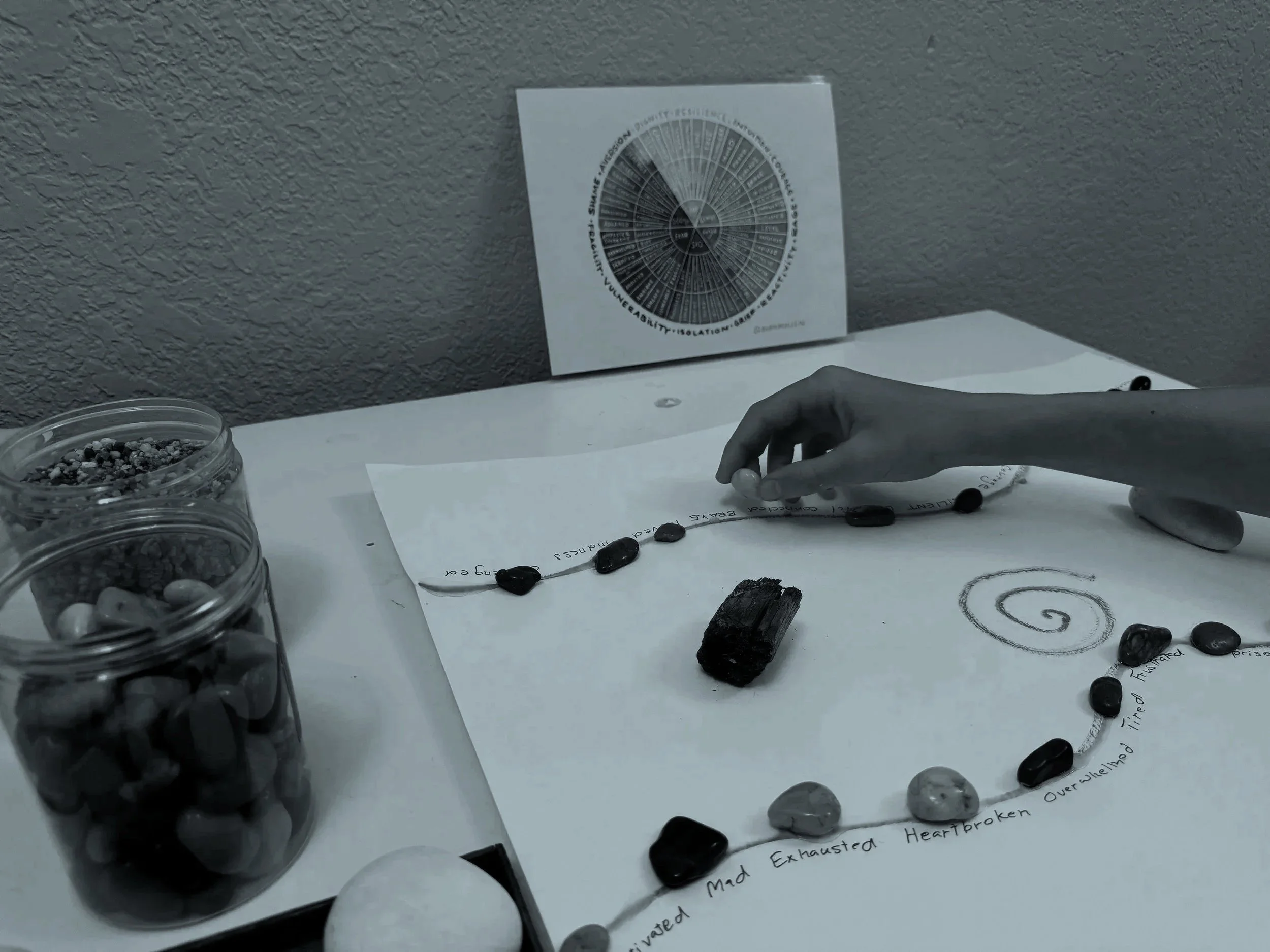
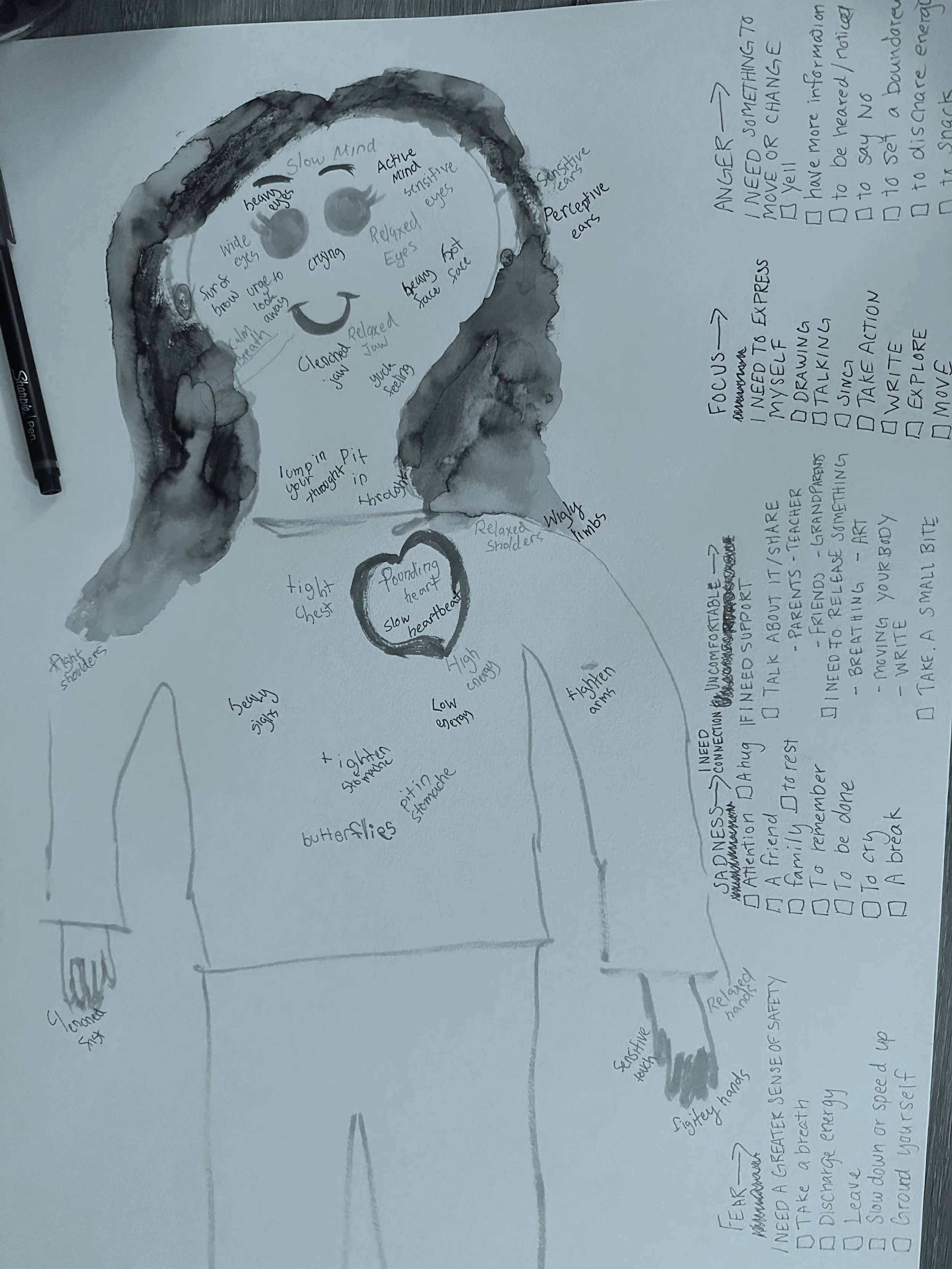
Meet The Grove
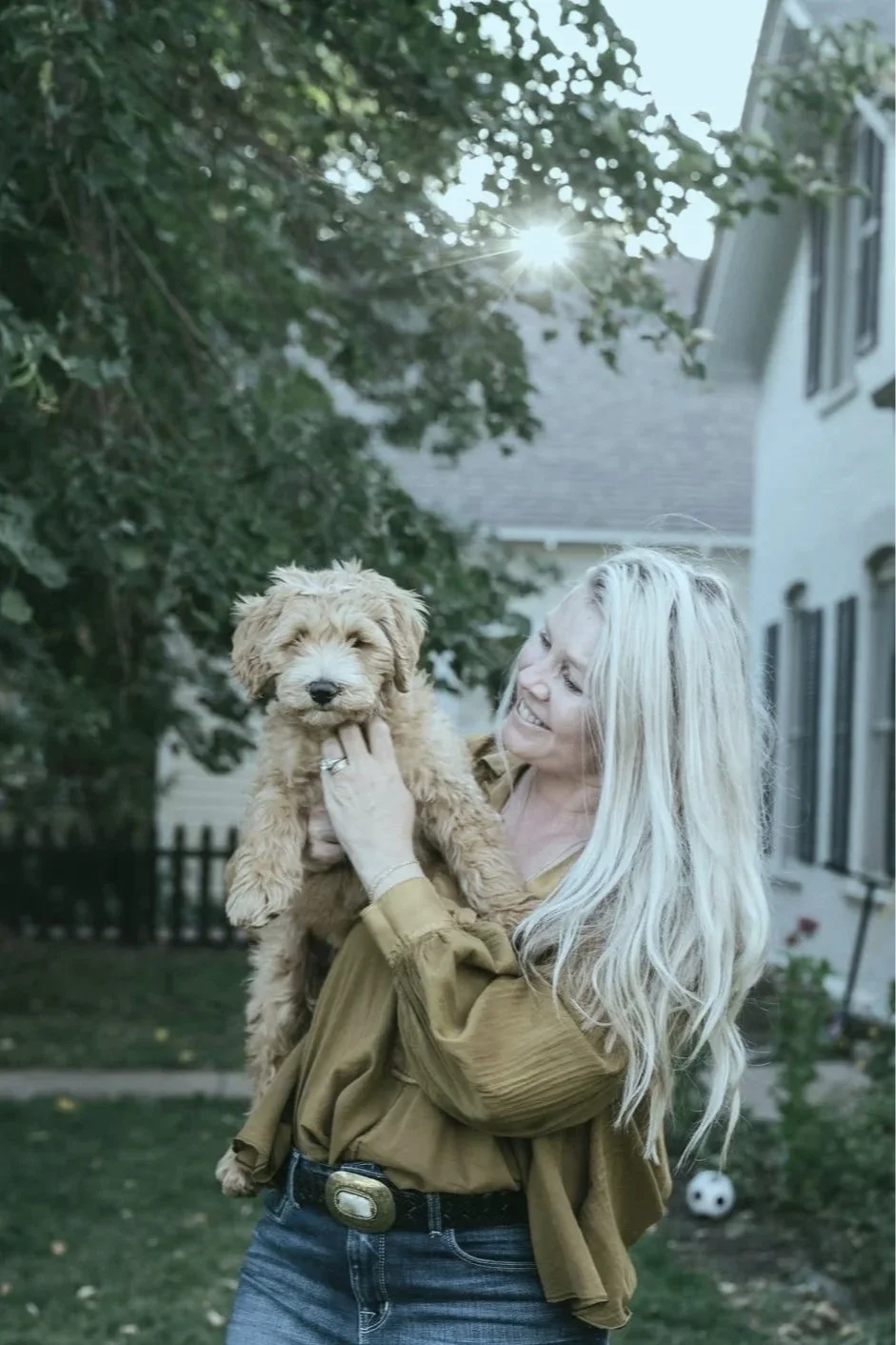
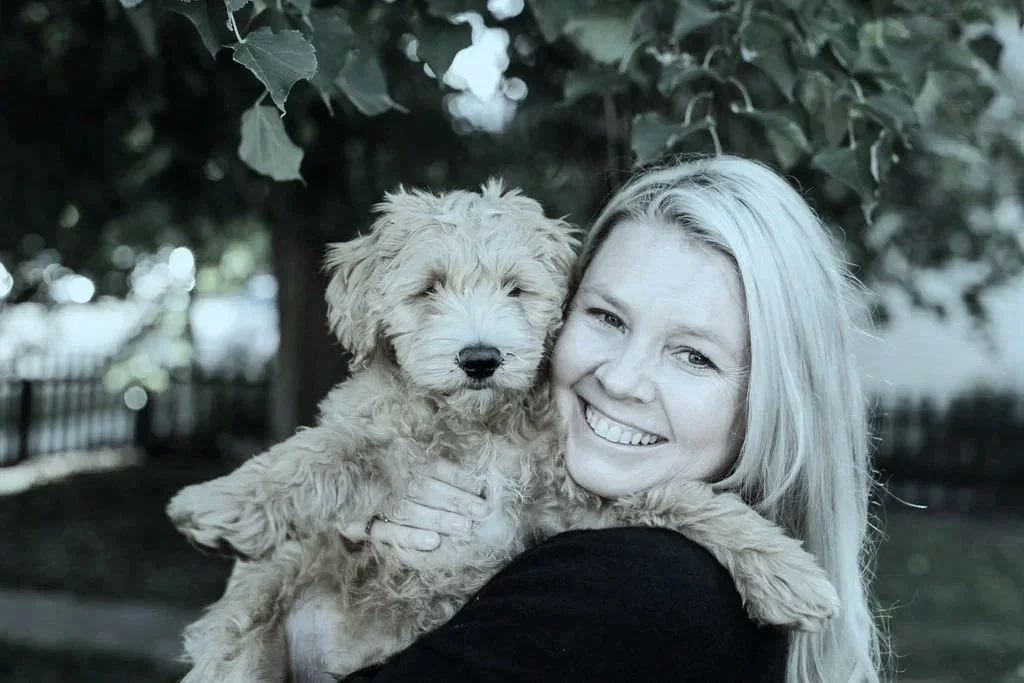
Supporting families, children and adolescents through challenges has always been her passion. Suzanna received her master’s degree in child life therapy in NYC at Bank Street College and interned at Mt Sinai hospital. This is where her exploration of alternative pain management techniques including pediatric hypnosis and reiki began. She spent 13 years as a child life specialist at Children’s Hospital Colorado. During that time, she focused on patients and families affected by grief and trauma, and continued to expand support trauma interventions. After stepping away from the hospital, Suzanna has taught child life theory, disability through the lifespan and other developmental courses at Colorado State University for the past 6 years while continuing to provide trauma, grief and medical/diagnosis/procedure support in private practice, home and school environments. Through her own children's experiences, she found Dynamic Body Balancing and found it only deepened the connection and integration of child life therapy practice. This expanded her practice to supporting athletes with their mind, body connection and nervous system resets when they are and are not competing. While her practice is incredibly important, family is always her focus. That includes spending time with her 2 children, husband and her therapy doodle Otis.
Request Further Information
Submit the inquiry form to discuss collaboration opportunities or to obtain detailed service information.